
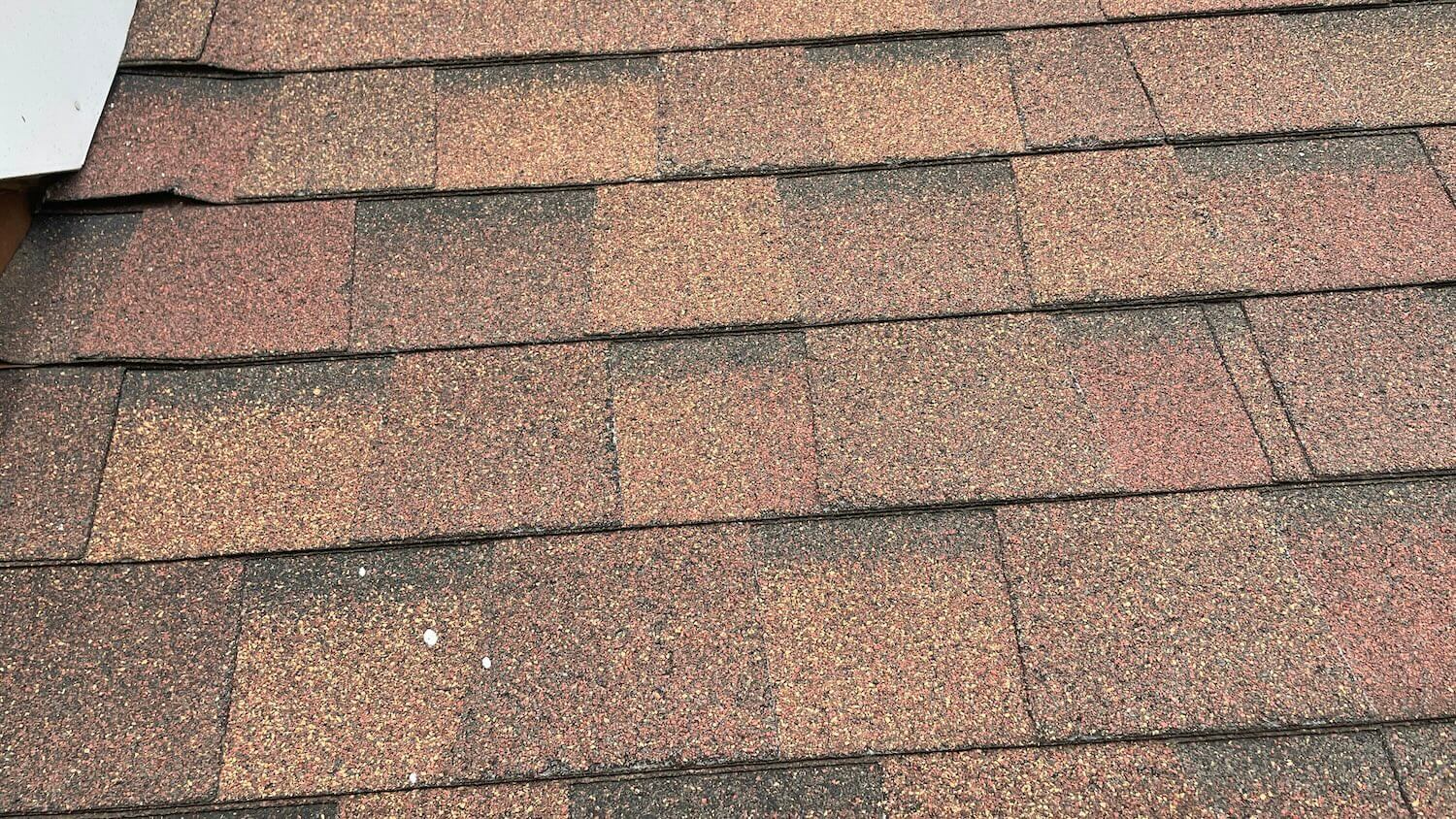
If you’ve ever looked at an insurance adjuster’s summary, you know it reads like a foreign language. “Recoverable depreciation,” “overhead and profit,” “deductible offsets”—these terms are designed to be precise, but they often feel impenetrable. At Blue Peaks Roofing, we believe clarity is your best asset. The difference between a stressful claim and a seamless restoration often comes down to one thing: professional documentation.
In Colorado, where hail is a regular occurrence, understanding this process is crucial. You aren’t just asking for money; you are negotiating a scope of work based on facts.
Step 1: Inspection Before Filing (The “Strike” Rule)
Many homeowners make the mistake of calling their insurance agent immediately after a storm. This can be risky. Opening a claim—even if it pays out $0 because damage is below your deductible—goes on your CLUE report (Comprehensive Loss Underwriting Exchange) as a “strike.” Too many strikes can raise your premiums.
Before you call your agent, follow this checklist with a qualified roofer:
- Verify the date of loss: Insurance policies have strict deadlines (often 1 year) from the storm date.
- Check for “collateral” damage: Dents on gutters, window screens, and grill covers are key indicators that support a roof claim.
- Get a physical inspection: Drone reports are helpful, but a roofer physically marking test squares (10’x10′ areas) provides the hard evidence adjusters need.
- Compare against your deductible: If damage is estimated at $4,000 and your deductible is $5,000, do not file a claim.
Step 2: Understanding Your Deductible & Policy Structure
Not all policies are created equal. The most critical distinction is between Replacement Cost Value (RCV) and Actual Cash Value (ACV).
- RCV (The Gold Standard): The insurance pays what it costs to replace the roof today, minus your deductible. This typically involves two checks: an initial payment (ACV) and a second “recoverable depreciation” check released after work is complete.
- ACV (The Depreciated Value): If your roof is old, your policy might only pay what the roof is currently worth, not what it costs to buy a new one. This leaves you with a much larger out-of-pocket expense.
Note on Deductibles: It is illegal in Colorado for a contractor to “pay,” “waive,” or “rebate” your deductible. Any roofer offering to do so is committing insurance fraud (Senate Bill 38). Protect yourself and avoid these operators.
Step 3: Documentation Is the Difference-Maker
Insurance adjusters are busy and often handle dozens of claims a week. They might miss details. This is where Blue Peaks Storm Restoration experts step in. We don’t just “look” at the roof; we build a case file.
We document:
- High-resolution photos of hail impacts on shingles (bruising vs. blistering).
- Code requirements that insurance must pay for (e.g., ice and water shield upgrades).
- Manufacturer specifications that dictate repair vs. replacement.
This approach is also vital for Realtors managing transactions. A clear, documented inspection report removes ambiguity from the inspection objection process and protects the deal.