
Why Seasonal Maintenance Matters
In Colorado, your roof faces a different enemy every season: snow load in winter, rapid melt in spring, intense UV radiation and hail in summer, and debris in fall. A quarterly check-up prevents surprises and extends the life of your roof. By catching small issues early—like a cracked sealant bead or a loose shingle—you prevent them from evolving into expensive leaks.
Spring Roof Inspection (Post-Snow)
Focus: Winter Damage & Drainage
- Gutters: Check for damage from ice dams or sliding snow. Ensure they are securely attached to the fascia.
- Shingles: Look for loose, missing, or cracked shingles caused by freeze-thaw cycles.
- Flashing: Inspect chimney and wall flashing. Sealants often crack during winter contraction.
- Attic: Check the attic for signs of condensation, wet insulation, or mold that formed during winter.
Summer Roof Inspection (Post-Hail/Storms)
Focus: Storm Damage & Heat Stress
- Impact Marks: Inspect shingles for “bruises” (dark spots where granules are missing) and vents/flashings for dents.
- Blistering: Intense heat can cause blisters on shingles. Check for bubbling surfaces.
- Ventilation: Ensure attic fans and turbine vents are spinning freely to reduce heat buildup.
- Moss/Algae: Check for growth in shaded areas. Summer is the time to treat it.
Fall Roof Inspection (Pre-Winter)
Focus: Debris Removal & Winter Prep
- CRITICAL – Gutters: Clean all gutters and downspouts thoroughly. Clogs cause ice dams!
- Trees: Trim overhanging branches. Heavy snow can snap branches, causing them to puncture the roof.
- Pipe Boots: Check rubber pipe boots for dry rot. These are the #1 cause of minor leaks.
- Sealants: Re-caulk any exposed nail heads or flashing gaps to seal the envelope before snow arrives.
Winter Roof Inspection (Observation Only)
Focus: Snow Load & Ice Dams
- Ice Dams: Monitor eaves for large icicles. This indicates heat loss from the attic.
- Snow Load: Watch for sagging rooflines after heavy snows.
- Safety: Do NOT get on a roof in winter. Inspect from the ground with binoculars.
Warning Signs of Roof Problems
Don’t wait for water to drip on your head. Look for these early warning signs:
- Interior: Water stains on ceilings, bubbling paint near walls, or musty odors in the attic.
- Exterior: Granules in the gutter downspouts, curling shingle edges, or rusted flashing.
- Structural: Sagging roof deck or leaning chimneys.
DIY vs Professional Inspections
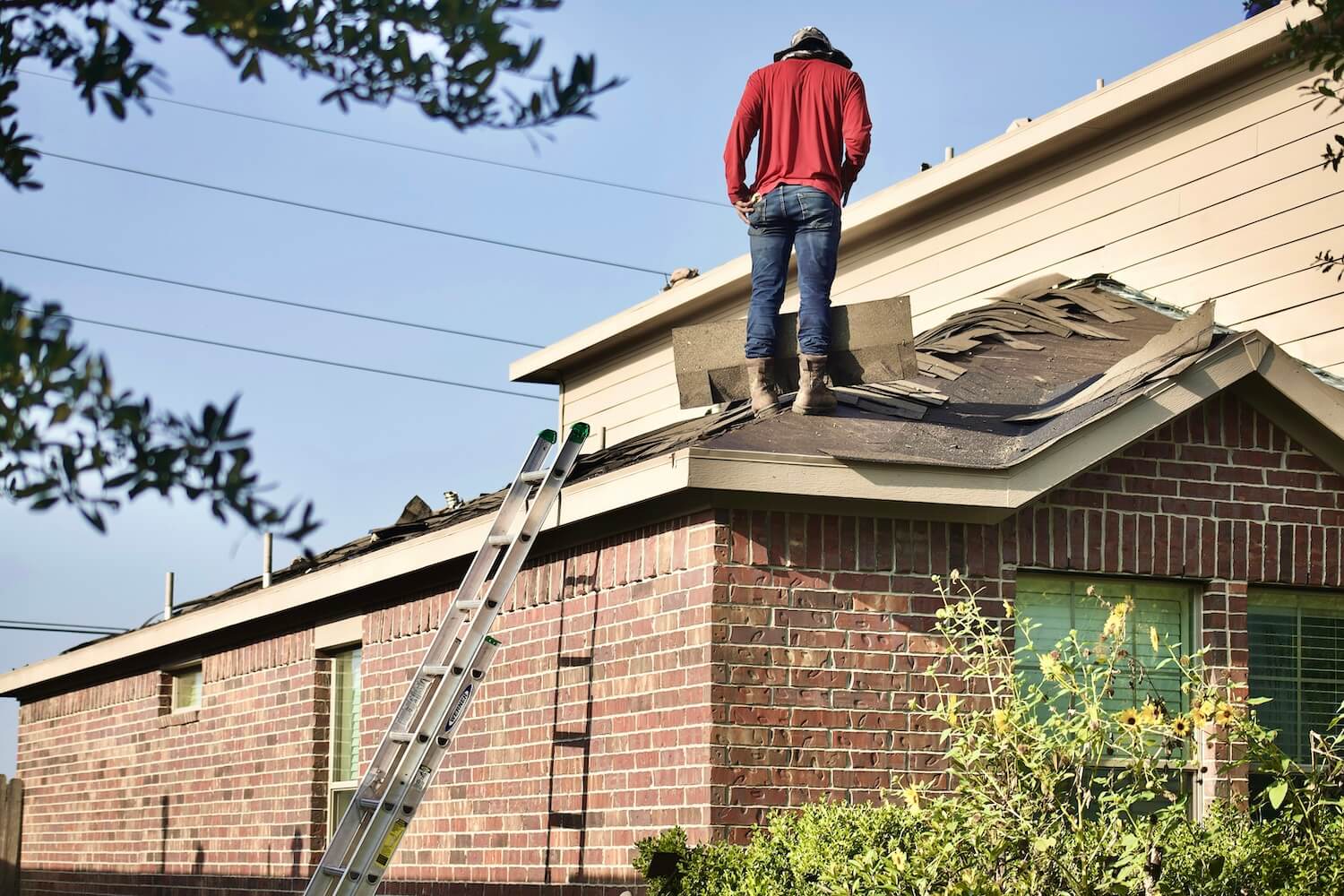
Homeowners can and should handle the “ground level” observations (using binoculars) and attic checks. However, walking on a roof is dangerous and can actually damage the shingles, especially on hot days (scuffing) or cold days (cracking). Leave the climbing to the professionals at Blue Peaks. We offer documented inspections that give you a clear health report without the risk.
Creating Your Annual Maintenance Schedule
Set a recurring calendar reminder for March (Spring) and October (Fall). These are the two most critical times to inspect. By making this a habit, you turn roof care from a source of anxiety into a manageable routine.
“Clarity builds confidence. Confidence builds trust.”