
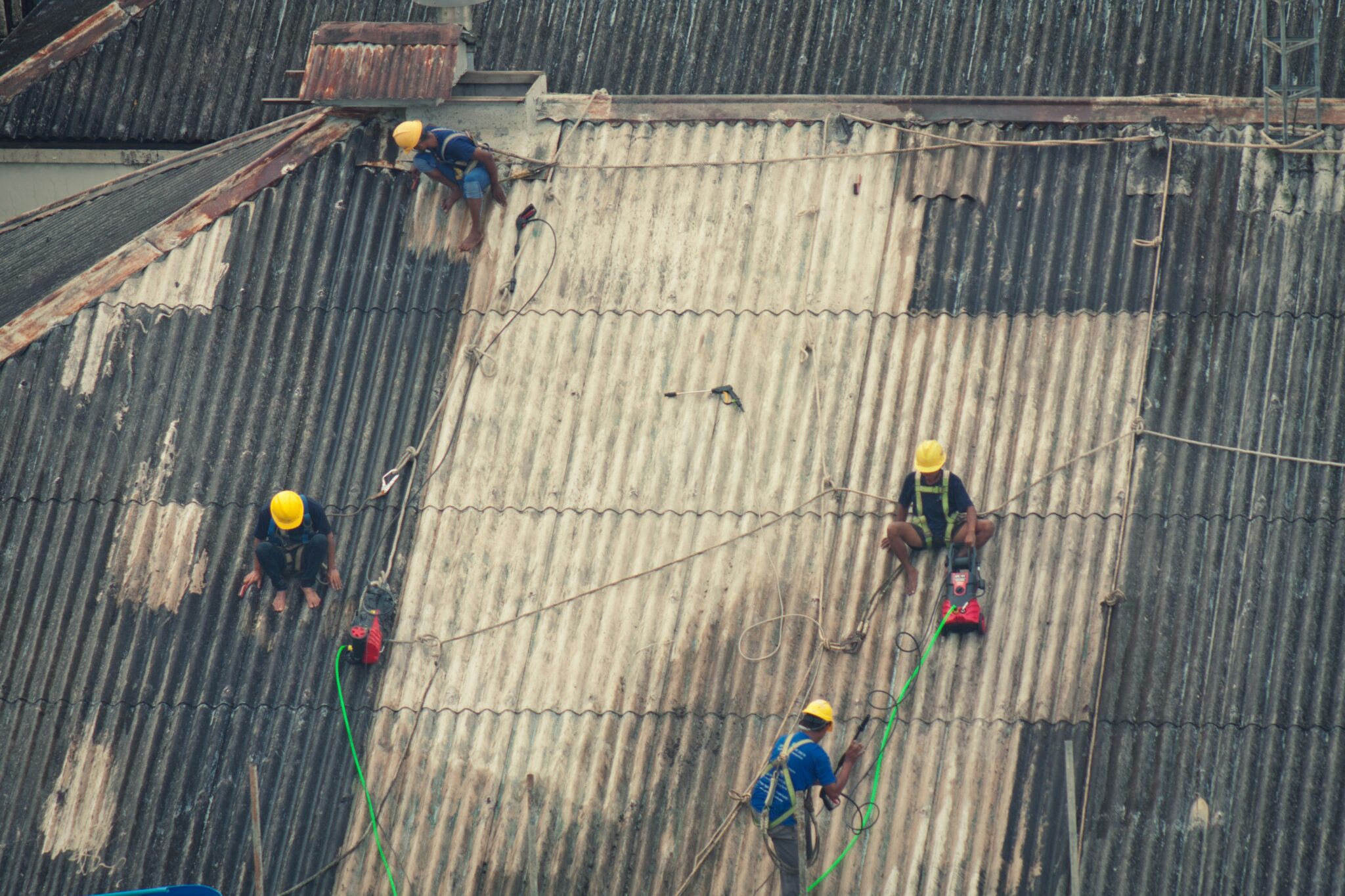
Why Maintenance Matters to Capital Planning
For property managers, HOA boards, and commercial owners, the roof is often the single most expensive building system to replace. Yet, it is frequently managed reactively—fixing leaks only after they damage interiors. This “run-to-failure” approach is financially disastrous.
Shifting to a proactive maintenance strategy does more than keep buildings dry; it fundamentally alters the financial trajectory of the asset. By extending the service life of a roof, you defer massive capital expenditures (CapEx), allowing reserve funds to grow and compound. Maintenance isn’t just an expense; it’s a strategic financial tool.
The Cost of Deferred Maintenance
Deferring maintenance seems like a way to save money in the short term, but the long-term costs are exponential. A small $500 repair left ignored can evolve into a $50,000 structural issue within two years. When drains clog, water ponds. When water ponds, membranes degrade. When membranes degrade, insulation saturates. Once insulation is wet, the entire roof system—not just the surface—must be replaced.
Industry data consistently shows that reactive roofing (fixing leaks as they happen) costs an average of $0.25 to $0.50 per square foot annually. However, the true hidden cost is the shortened lifespan. A neglected roof might fail in year 15, while a maintained roof can last 25+ years.
Cost-Benefit Analysis of Planned Maintenance
Proactive maintenance typically costs $0.05 to $0.10 per square foot annually. This includes bi-annual inspections, drain cleaning, debris removal, and minor sealant repairs. The math is simple: spending pennies today saves dollars tomorrow.
Real-World HOA Budgeting Implications
Example A: 50-Unit Townhome Community
- Roof Area: 80,000 sq ft
- Replacement Cost: $800,000 ($10/sq ft)
- Scenario 1 (Neglect): Roof fails at Year 15. The HOA must special assess each owner $16,000 unexpectedly.
- Scenario 2 (Maintained): HOA spends $4,000/year on maintenance. Roof lasts 25 years. The extra 10 years allow reserves to build. Owners avoid a special assessment entirely.
Example B: 100-Unit Condo Complex (Flat Roofs)
- Roof Area: 150,000 sq ft
- Replacement Cost: $2.25 Million ($15/sq ft)
- Scenario 1 (Neglect): Reactive leak repairs cost $40,000/year. Roof fails at Year 18. Reserve fund is depleted.
- Scenario 2 (Maintained): Proactive contract costs $12,000/year. Roof lasts 30 years. Total savings over 30 years: $840,000 in deferred CapEx plus lower annual repair bills.
Documentation as Capital Planning Defense
One of the most overlooked aspects of maintenance is documentation. When an HOA board or property manager is questioned about spending money on a roof that “isn’t leaking,” the maintenance report is the defense. It provides photos of corrected defects, logs of cleared drains, and a professional assessment of remaining life.
Furthermore, most manufacturer warranties require proof of annual maintenance. If a roof fails and the manufacturer finds drains clogged with five years of debris, they can—and will—void the warranty for “owner negligence.” Your maintenance log is your insurance policy against denied claims.
Fiduciary Case for Planned Maintenance
As a fiduciary, your duty is to protect the assets of the association or owner. Allowing a $2 million asset to depreciate prematurely due to lack of care is a failure of that duty. Implementing a structured maintenance plan demonstrates prudence, foresight, and financial responsibility.
At Blue Peaks, our maintenance programs are designed to provide the data you need to make smart financial decisions. We don’t just sweep the roof; we provide a roadmap for its future.
“Clarity builds confidence. Confidence builds trust.”