Replacing a roof on a single-family home is a construction project. Replacing roofs across an entire HOA community is a governance project. It involves hundreds of residents, millions of dollars, complex insurance requirements, and a fiduciary duty to spend community funds wisely. At Blue Peaks Roofing, we partner with HOA boards and property managers to turn this complex undertaking into a predictable, transparent process.
The Board’s Fiduciary Duty: It’s More Than Just Picking a Color
Your primary role as a board member isn’t to be a roofing expert; it’s to make prudent decisions that protect the association’s assets. When planning a reroof, this duty translates into three specific requirements:
- Due Diligence: Gathering multiple competitive bids based on an identical scope of work, rather than just accepting the first estimate.
- Asset Protection: Ensuring the chosen system (shingles, underlayment, ventilation) actually extends the lifespan of the buildings and maximizes the community’s investment.
- Risk Management: Verifying insurance coverage, contractor safety protocols, and financial stability to protect the association from liability.
Planning the Timeline (Why Early Preparation Matters)
A successful HOA reroof starts 6-12 months before the first hammer swings. Rushing into a contract in late summer often leads to supply chain delays or weather-related complications. We recommend starting the assessment phase in the fall or winter, finalizing scopes and contracts by early spring, and scheduling production for the optimal weather window. This lead time allows for proper notification to residents—a critical step that is often overlooked in rushed projects.
Approvals, Budgets & Scope Clarity
Ambiguity is the enemy of a successful project. Before asking for bids, the board must define the scope. Are we replacing gutters? Addressing ventilation issues? Upgrading to impact-resistant shingles for insurance premium savings? We help boards develop a “Request for Proposal” (RFP) that ensures every contractor is bidding on apples-to-apples specifications. This clarity prevents expensive change orders later and gives the board confidence that the budget is realistic and defensible.
Communication Is Key (The #1 Source of Resident Frustration)
In our experience, 90% of resident complaints stem from poor communication, not poor workmanship. Residents need to know: When will workers be on my specific building? Where do I park? What about my patio furniture? We provide a comprehensive communication plan that includes town hall meetings, posted notices, digital updates, and a dedicated project liaison. When residents feel informed, they are far more patient with the necessary noise and disruption of major construction services.
Phasing & Logistics Matter More Than You Think
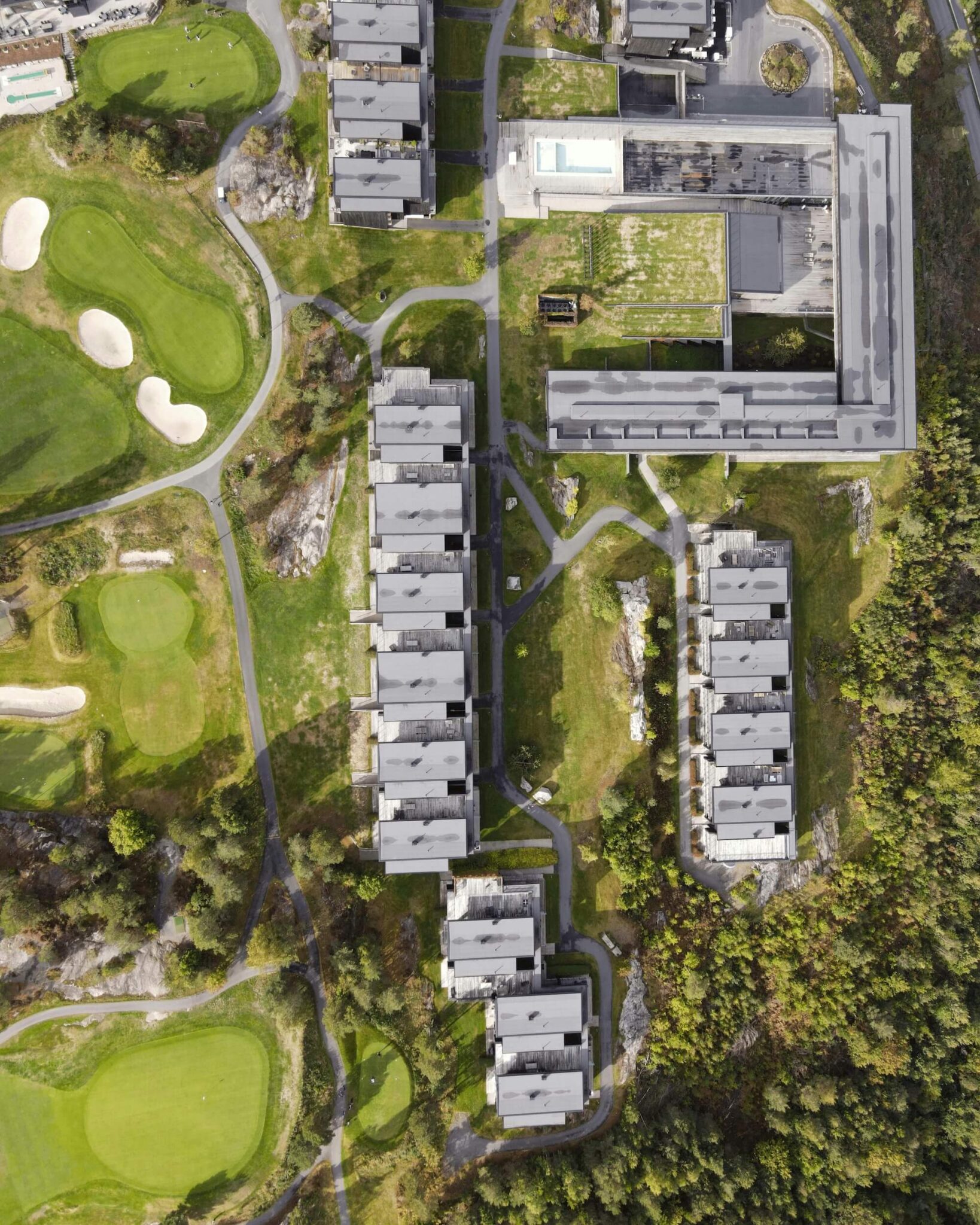
You cannot reroof 50 buildings in a week. Phasing is the strategic sequencing of work to minimize impact on daily life. We plan phases based on parking availability, trash removal routes, and safety zones. For larger communities, multi-year phasing might be necessary to align with reserve fund cash flow. A professional roofing partner will present a logistics plan that accounts for school bus stops, trash pickup days, and emergency vehicle access, ensuring the community continues to function smoothly.
Documentation & Closeout (Protecting the Board Long-Term)
The project isn’t done when the shingles are on. It’s done when the board has the paperwork to prove it. Ten years from now, a future board might need to file a warranty claim. Will they find the records? We provide a digital and physical “Closeout Package” containing manufacturer warranties, workmanship guarantees, photo documentation of the install, and lien waivers. This documentation is your legacy of good governance and protects the community’s property value.
Ready to Plan Your HOA Reroof?
If your community is facing a major roofing project, don’t go it alone. Let us help you assess your needs, build a scope, and execute a plan that respects your residents and your budget. Contact us today to start the conversation.