Categories
Homeowners

Metal vs Asphalt Roofing in Colorado: How to Choose the Right System

Colorado’s Climate Demands Thoughtful Roofing Decisions

Choosing a new roof in Colorado isn’t just about aesthetics; it’s about defense. Our homes and communities face a unique gauntlet of weather hazards: high-altitude UV radiation that degrades materials faster, rapid freeze-thaw cycles that expand cracks, and, of course, the infamous Front Range hail seasons. Whether you are a homeowner planning your forever home or an HOA board member managing a multi-million dollar asset, the choice between asphalt shingles and metal roofing is one of the most significant financial decisions you will make. Both systems have their place, but understanding their strengths, weaknesses, and lifecycle costs is essential to making a choice you won’t regret.

Asphalt Shingles — The Practical Standard

Asphalt shingles remain the most popular roofing material in North America for good reason. They offer a balanced combination of affordability, aesthetic versatility, and ease of installation. Modern “architectural” or “dimensional” shingles provide depth and character that mimics wood shake or slate, making them a safe and attractive choice for almost any architectural style.

Asphalt shingles perform well when:

  • Budget is a primary constraint: They have the lowest upfront installed cost.
  • Turnaround time matters: A typical home can be reroofed in 1-2 days.
  • HOA rules are strict: They are universally accepted in almost all communities.
  • Walkability is needed: They are easier and safer to walk on for maintenance or gutter cleaning.

Advantages of asphalt shingles:

  • Cost-effective material and labor.
  • Wide variety of colors and styles.
  • Simple to repair (individual shingles can be swapped out).
  • Class 4 Impact Resistant options available (offering insurance discounts).
  • Sound dampening (rain/hail is quieter).
  • Warranties typically range from 30 years to “Lifetime” (limited).

Important clarification: Not all asphalt is equal. In Colorado, we strongly recommend Class 4 Impact Resistant (IR) shingles. Standard shingles often fail prematurely due to hail, while Class 4 shingles are engineered with a rubberized polymer (SBS) that allows the shingle to flex upon impact rather than cracking.

Metal Roofing — A Long-Term System Investment

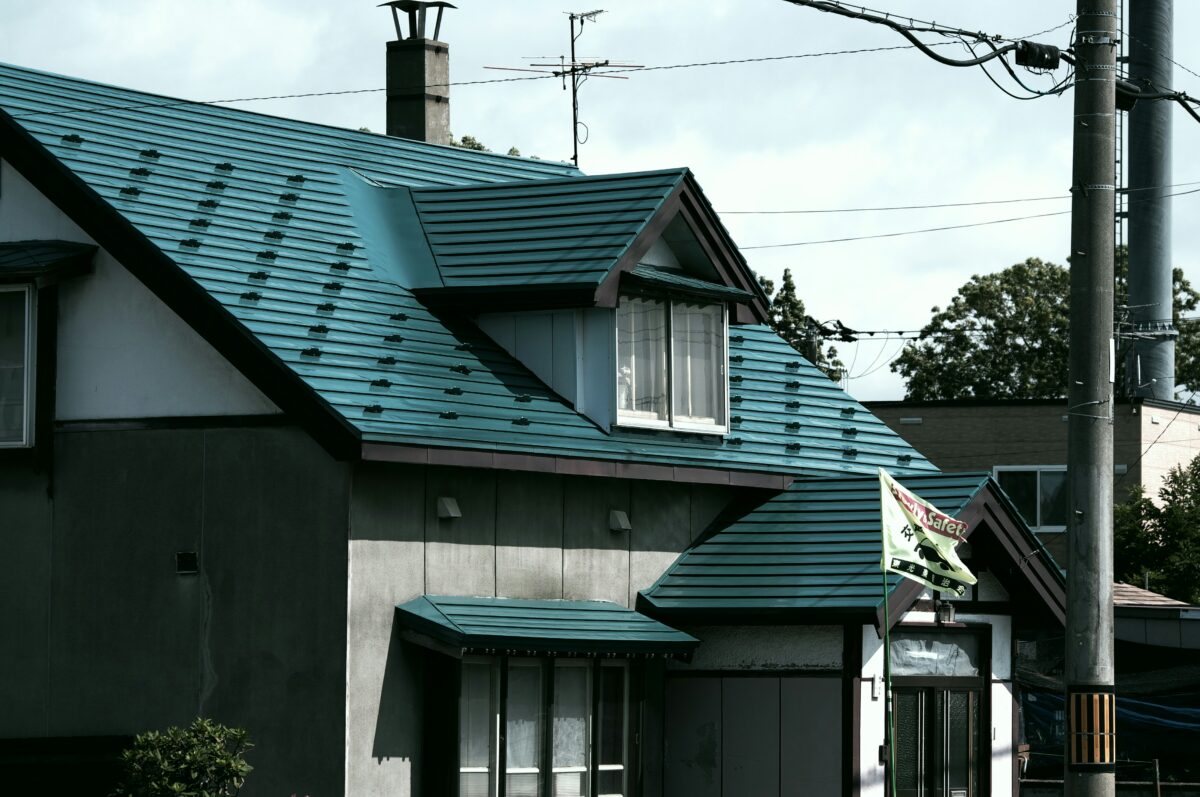
Metal roofing (specifically standing seam) is the “forever roof” solution. While it was once relegated to barns or commercial buildings, modern metal roofing offers sleek, contemporary lines or traditional profiles that elevate a property’s curb appeal. It is an engineered system designed to shed water, snow, and ice more efficiently than any other material.

Metal roofing performs well when:

  • Long-term ownership is the goal: You plan to stay in the home for 15+ years.
  • Fire resistance is critical: Essential for mountain communities or wildfire zones.
  • Snow load is a concern: Metal sheds snow easily, preventing collapse risks.
  • Energy efficiency is desired: “Cool roof” coatings reflect heat, lowering summer cooling bills.
  • Architectural distinction is valued: It creates a premium, custom look.

Advantages of metal roofing:

  • Extreme lifespan (40-70+ years).
  • Highest Class A Fire Rating.
  • Class 4 Impact Resistance (standard on most panels).
  • 100% Recyclable at end of life.
  • Low maintenance (no granules to wash off).
  • Superior wind resistance (often rated to 140mph+).
  • Potential for solar panel integration (using clamp systems without penetrations).

Important clarification: We specifically recommend Standing Seam Metal (hidden fasteners) over exposed fastener panels (screw-down). Exposed fasteners rely on rubber washers that eventually dry rot and leak, whereas standing seam systems allow the metal to expand and contract thermally without compromising the watertight seal.

Hail & Colorado Reality Check

Let’s address the elephant in the room: Hail. No roofing material is completely “hail-proof.” When a baseball-sized ice stone hits your roof at 100mph, physics takes over. However, the type of damage differs significantly between the two systems.

Asphalt vs. Hail

Hail damage to asphalt is “functional.” The impact knocks granules loose and fractures the fiberglass mat underneath. This exposes the asphalt core to UV rays, leading to accelerated aging and eventual leaks. Insurance typically pays to replace these roofs because their lifespan has been compromised.

Metal vs. Hail

Hail damage to metal is often “cosmetic.” The panels may dent, but they rarely puncture or leak. The roof continues to protect the home perfectly. Crucially: Many insurance policies have a “Cosmetic Exclusion” for metal roofs, meaning they will NOT pay to replace a dented metal roof if it isn’t leaking. You might end up with a perfectly functional but dimpled roof that you have to live with.

The takeaway: If you choose metal in hail-prone areas, consider a heavier gauge steel (24-gauge) or a textured finish that hides minor dents.

Lifecycle Cost vs. Install Price

This is where the math gets interesting. Metal roofing typically costs 2x to 3x more upfront than an asphalt shingle roof. However, cost must be measured against time.

The math depends on ownership timeline:

  • Scenario A (Selling in 5-7 years): Asphalt is the smarter financial move. You likely won’t recoup the premium cost of metal in the resale value alone.
  • Scenario B (Forever Home): Metal is cheaper in the long run. By avoiding a second roof replacement in year 20, the metal roof pays for itself.
  • Scenario C (HOA/Community): Metal reduces long-term CapEx reserves but requires a massive upfront special assessment or loan. Asphalt preserves cash flow today but guarantees future disruption.

HOA-Specific Considerations

For Board Members and Property Managers, the decision is even more complex because it involves governance.

1. Community Consistency

Changing from asphalt to metal radically alters the community’s aesthetic. This often requires a vote of the ownership, not just a board decision.

2. Reserve Planning

If your reserve study is based on asphalt replacement costs, upgrading to metal will blow the budget. It usually requires a loan or significant special assessment.

3. Repairability

In multi-family units, if one unit is damaged, matching aged metal panels is difficult. Asphalt shingles are easier to blend for partial repairs.

4. Snow Shedding Liability

Metal roofs shed snow in avalanches. In dense HOA communities, this creates liability issues for pedestrians and parked cars unless snow guards are installed (an added cost).

Closing thought for HOAs: Many communities compromise by using metal accents (on clubhouses, mail kiosks, or bay windows) while keeping the main roofs asphalt. This elevates the look without breaking the budget.

Which Roofing System Fits You? A Decision Framework

Answer these five questions to see where you land.

  1. How long do you plan to own the property?
    Less than 10 years? → Asphalt. | 15+ years or passing it down? → Metal.
  2. How complex is the roof design?
    Lots of dormers, valleys, and skylights? → Asphalt (Metal labor costs skyrocket on complex roofs).
  3. How important is repair flexibility after hail?
    Want the option to replace just a few damaged sections? → Asphalt.
  4. Is upfront budget or long-term value more important?
    Cash constrained now? → Asphalt. | Investing for ROI? → Metal.
  5. Are HOA or architectural guidelines a factor?
    Strict uniformity rules? → Check your CC&Rs first.

Still undecided? That’s normal. The best next step is to see the numbers side-by-side for your specific property.
Categories
HOA Planning HOAs/Property Managers

How to Plan an HOA Reroof: Timeline, Approvals & Communication

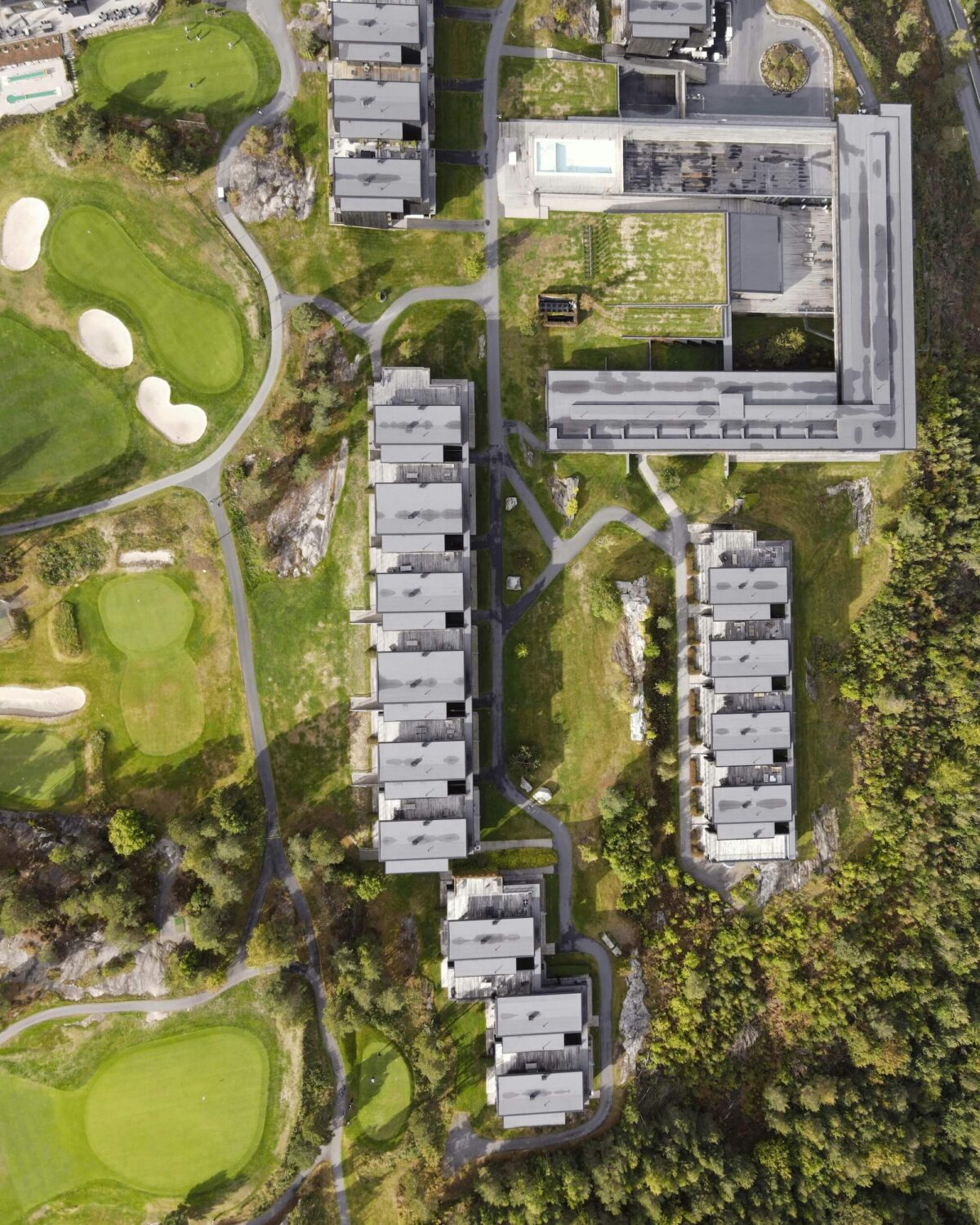
Replacing a roof on a single-family home is a construction project. Replacing roofs across an entire HOA community is a governance project. It involves hundreds of residents, millions of dollars, complex insurance requirements, and a fiduciary duty to spend community funds wisely. At Blue Peaks Roofing, we partner with HOA boards and property managers to turn this complex undertaking into a predictable, transparent process.

The Board’s Fiduciary Duty: It’s More Than Just Picking a Color

Your primary role as a board member isn’t to be a roofing expert; it’s to make prudent decisions that protect the association’s assets. When planning a reroof, this duty translates into three specific requirements:

  • Due Diligence: Gathering multiple competitive bids based on an identical scope of work, rather than just accepting the first estimate.
  • Asset Protection: Ensuring the chosen system (shingles, underlayment, ventilation) actually extends the lifespan of the buildings and maximizes the community’s investment.
  • Risk Management: Verifying insurance coverage, contractor safety protocols, and financial stability to protect the association from liability.

Planning the Timeline (Why Early Preparation Matters)

A successful HOA reroof starts 6-12 months before the first hammer swings. Rushing into a contract in late summer often leads to supply chain delays or weather-related complications. We recommend starting the assessment phase in the fall or winter, finalizing scopes and contracts by early spring, and scheduling production for the optimal weather window. This lead time allows for proper notification to residents—a critical step that is often overlooked in rushed projects.

Approvals, Budgets & Scope Clarity

Ambiguity is the enemy of a successful project. Before asking for bids, the board must define the scope. Are we replacing gutters? Addressing ventilation issues? Upgrading to impact-resistant shingles for insurance premium savings? We help boards develop a “Request for Proposal” (RFP) that ensures every contractor is bidding on apples-to-apples specifications. This clarity prevents expensive change orders later and gives the board confidence that the budget is realistic and defensible.

Communication Is Key (The #1 Source of Resident Frustration)

In our experience, 90% of resident complaints stem from poor communication, not poor workmanship. Residents need to know: When will workers be on my specific building? Where do I park? What about my patio furniture? We provide a comprehensive communication plan that includes town hall meetings, posted notices, digital updates, and a dedicated project liaison. When residents feel informed, they are far more patient with the necessary noise and disruption of major construction services.

Phasing & Logistics Matter More Than You Think

You cannot reroof 50 buildings in a week. Phasing is the strategic sequencing of work to minimize impact on daily life. We plan phases based on parking availability, trash removal routes, and safety zones. For larger communities, multi-year phasing might be necessary to align with reserve fund cash flow. A professional roofing partner will present a logistics plan that accounts for school bus stops, trash pickup days, and emergency vehicle access, ensuring the community continues to function smoothly.

Documentation & Closeout (Protecting the Board Long-Term)

The project isn’t done when the shingles are on. It’s done when the board has the paperwork to prove it. Ten years from now, a future board might need to file a warranty claim. Will they find the records? We provide a digital and physical “Closeout Package” containing manufacturer warranties, workmanship guarantees, photo documentation of the install, and lien waivers. This documentation is your legacy of good governance and protects the community’s property value.

Ready to Plan Your HOA Reroof?

If your community is facing a major roofing project, don’t go it alone. Let us help you assess your needs, build a scope, and execute a plan that respects your residents and your budget. Contact us today to start the conversation.

Categories
Homeowners

How Roofing Insurance Claims Actually Work in Colorado

If you’ve ever looked at an insurance adjuster’s summary, you know it reads like a foreign language. “Recoverable depreciation,” “overhead and profit,” “deductible offsets”—these terms are designed to be precise, but they often feel impenetrable. At Blue Peaks Roofing, we believe clarity is your best asset. The difference between a stressful claim and a seamless restoration often comes down to one thing: professional documentation.

In Colorado, where hail is a regular occurrence, understanding this process is crucial. You aren’t just asking for money; you are negotiating a scope of work based on facts.

Step 1: Inspection Before Filing (The “Strike” Rule)

Many homeowners make the mistake of calling their insurance agent immediately after a storm. This can be risky. Opening a claim—even if it pays out $0 because damage is below your deductible—goes on your CLUE report (Comprehensive Loss Underwriting Exchange) as a “strike.” Too many strikes can raise your premiums.

Before you call your agent, follow this checklist with a qualified roofer:

  • Verify the date of loss: Insurance policies have strict deadlines (often 1 year) from the storm date.
  • Check for “collateral” damage: Dents on gutters, window screens, and grill covers are key indicators that support a roof claim.
  • Get a physical inspection: Drone reports are helpful, but a roofer physically marking test squares (10’x10′ areas) provides the hard evidence adjusters need.
  • Compare against your deductible: If damage is estimated at $4,000 and your deductible is $5,000, do not file a claim.

Step 2: Understanding Your Deductible & Policy Structure

Not all policies are created equal. The most critical distinction is between Replacement Cost Value (RCV) and Actual Cash Value (ACV).

  • RCV (The Gold Standard): The insurance pays what it costs to replace the roof today, minus your deductible. This typically involves two checks: an initial payment (ACV) and a second “recoverable depreciation” check released after work is complete.
  • ACV (The Depreciated Value): If your roof is old, your policy might only pay what the roof is currently worth, not what it costs to buy a new one. This leaves you with a much larger out-of-pocket expense.

Note on Deductibles: It is illegal in Colorado for a contractor to “pay,” “waive,” or “rebate” your deductible. Any roofer offering to do so is committing insurance fraud (Senate Bill 38). Protect yourself and avoid these operators.

Step 3: Documentation Is the Difference-Maker

Insurance adjusters are busy and often handle dozens of claims a week. They might miss details. This is where Blue Peaks Storm Restoration experts step in. We don’t just “look” at the roof; we build a case file.

We document:

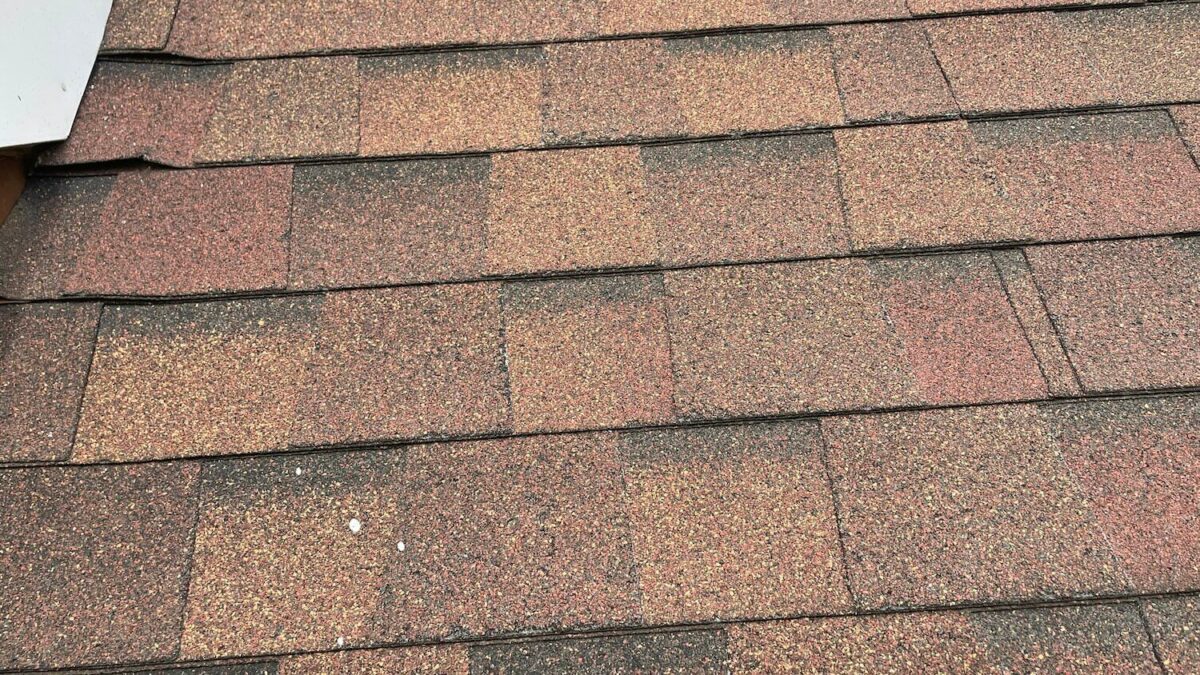
  • High-resolution photos of hail impacts on shingles (bruising vs. blistering).
  • Code requirements that insurance must pay for (e.g., ice and water shield upgrades).
  • Manufacturer specifications that dictate repair vs. replacement.

This approach is also vital for Realtors managing transactions. A clear, documented inspection report removes ambiguity from the inspection objection process and protects the deal.